- The selective plating tool solution provider
- info@spcprecision.com


The contents of the quality inspection of the electroplating layer include the appearance, thickness, bonding force with the base metal, ductility, microhardness, brittleness, corrosion resistance, wear resistance, weldability, etc. of the plating.
1) Appearance of the plating
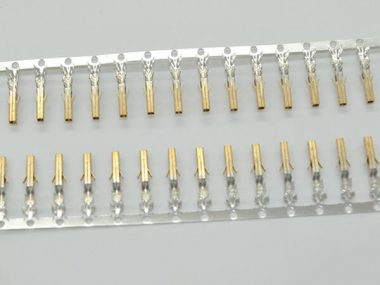
The appearance of the plating is one of the items that must be checked for any part and any type of plating. Usually, the appearance of the plating is observed directly with the naked eye under natural light. Its contents include the macroscopic uniformity, color, brightness, crystallization state and macroscopic bonding force of the forging layer. Generally speaking, in addition to its unique color and luster, the plating should also be uniform, meticulous, and have good adhesion, and no pinholes, streaks, blistering, peeling, burrs, nodules, pitting, and burning are allowed. , cracking, peeling, falling off, abnormal color or missing plating, etc. However, for hanging plated parts, slight defects at the hook are generally allowed.
2) The thickness of the plating
To ensure the performance of the parts, the plating on the surface of the parts must reach a certain thickness. Commonly used plating thickness measurement methods include two categories: destructive and non-destructive. Destructive thickness measurement methods include anodic dissolution Coulomb method, metallographic method, dissolution weighing method, liquid flow method, spot method, etc.; non-destructive thickness measurement methods include mechanical measuring method, magnetic method, eddy current method, β-ray backscattering method, x-ray spectroscopy, etc.
3) Corrosion resistance of the plating
There are two main types of test methods for evaluating the corrosion resistance of plating: natural environment test and artificial accelerated corrosion test. The former includes field tests in the use environment and atmospheric exposure tests under different climatic conditions. These methods can truly evaluate the corrosion resistance of plating, but the disadvantage is that the cycle is too long; the latter includes neutral salt spray test (nss) acetic acid. Copper accelerated test (cass), corrosion paste test, electrolytic corrosion test, industrial gas corrosion test, damp heat test, etc.
4) Plating strength
There are many testing methods for the bonding force (also called bonding strength) between the electroplating layer and the base metal, but they are all qualitative tests. Common test methods of plating adhesion include friction polishing test, peeling test, file test, cross-cut test, bending test, thermal vibration test, deep drawing test, etc.